
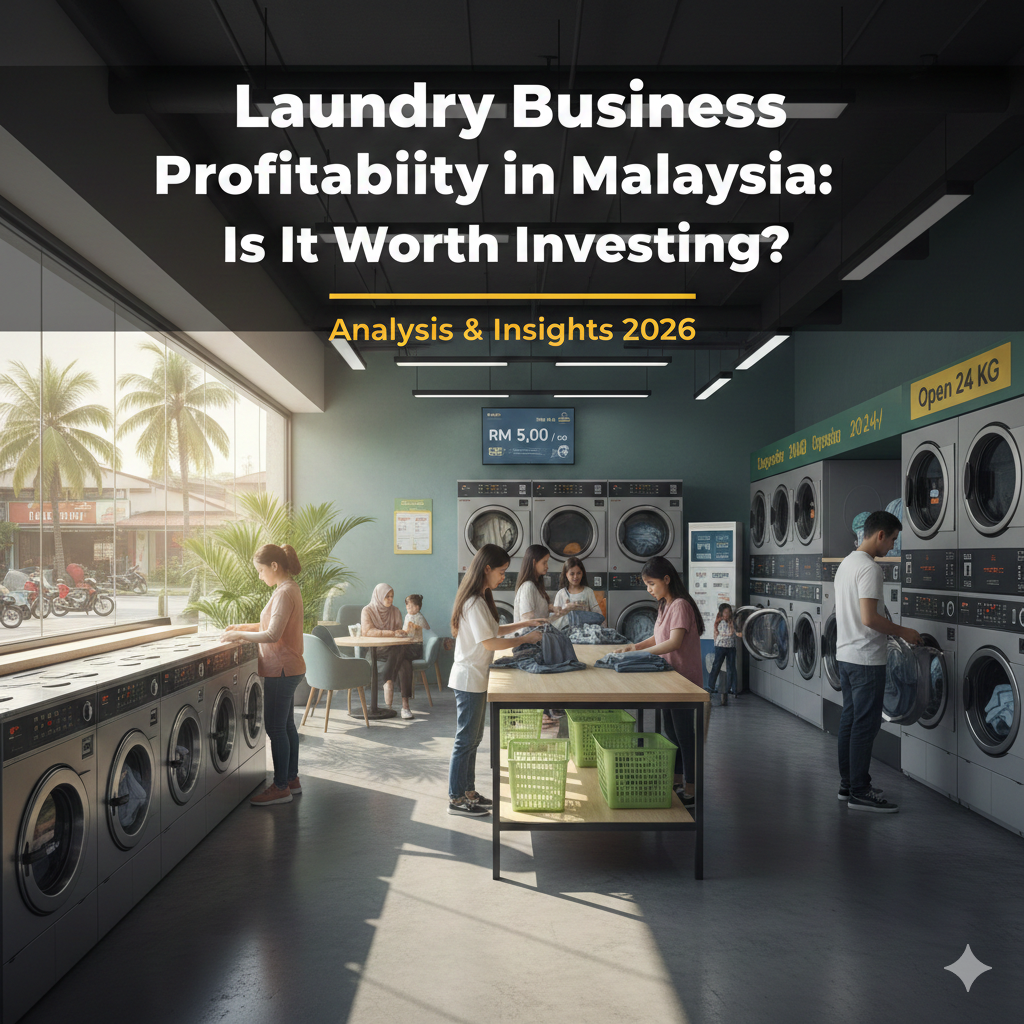
Malaysia’s dynamic economy and evolving consumer lifestyles present a compelling landscape for entrepreneurs. Among the myriad of business ventures, the laundry industry often emerges as a seemingly stable and essential service. But beneath the surface of everyday necessity, a critical question lingers: is investing in a laundry business in Malaysia genuinely profitable?
As an experienced SEO content writer for Atos, specializing in guiding businesses through informed decisions, we understand the importance of comprehensive analysis. This blog post delves deep into the laundry business profitability Malaysia, examining the multifaceted factors that determine success and offering data-driven insights to help you make an informed investment.
Understanding the Malaysian Laundry Market Landscape
The Malaysian laundry market, while mature in some respects, continues to experience significant shifts. Several macro and micro trends contribute to its current and projected profitability:
Urbanization and Hectic Lifestyles: Malaysia’s rapid urbanization, particularly in major cities like Kuala Lumpur, Penang, and Johor Bahru, has led to a surge in apartment living and smaller household sizes. This, coupled with increasingly demanding work schedules, leaves less time for domestic chores, making professional laundry services an attractive alternative.
Growing Middle Class: The expanding middle-income bracket in Malaysia signifies a greater disposable income. While some may view professional laundry as a luxury, a growing segment of this population sees it as a time-saving convenience and a value-added service.
Tourism and Hospitality Sector: Malaysia’s robust tourism industry, attracting millions of visitors annually, fuels a consistent demand for commercial laundry services from hotels, guesthouses, and serviced apartments.
Shifting Perceptions of Hygiene: Post-pandemic, there’s a heightened awareness and emphasis on hygiene and cleanliness. Professional laundromats, particularly those employing advanced sterilization techniques, are increasingly perceived as safer and more effective than home washing.
According to a report by Ken Research, the Malaysia Laundry Care Market is projected to grow at a Compound Annual Growth Rate (CAGR) of approximately 6.5% during the forecast period (2023-2028). This indicates a healthy and expanding market, signaling potential for astute investors.
Key Factors Influencing Laundry Business Profitability
While the market outlook is positive, profitability is not guaranteed. Several critical factors directly impact the financial success of a laundry business in Malaysia:
1. Business Model Selection: Self-Service vs. Full-Service vs. Hybrid
The choice of business model is perhaps the most significant determinant of profitability. Each model comes with its own set of advantages, disadvantages, and operational costs:
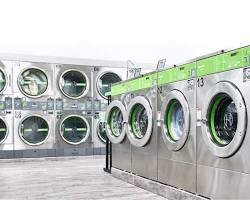
Self-Service Laundromats (Dobi Layan Diri): These are typically coin or card-operated, requiring minimal staff. They boast lower operational costs (primarily rent, utilities, and machine maintenance) and can generate consistent passive income. However, they are susceptible to intense price competition and require a high volume of customers to be truly profitable.
Full-Service Laundromats: Offering wash, dry, fold, ironing, and sometimes dry-cleaning services, these cater to customers seeking convenience and premium service. They command higher prices but incur significantly higher labor costs, more complex inventory management (detergents, hangers, packaging), and greater overheads.
Hybrid Models: Combining elements of both, such as self-service with an option for attended drop-off/pick-up, can offer the best of both worlds, appealing to a wider customer base and optimizing revenue streams.
Table 1: Business Model Comparison & Profitability Drivers
| Business Model | Initial Investment | Operational Cost | Revenue Potential | Key Challenges |
|---|---|---|---|---|
| Self-Service | Moderate | Low | Moderate | Price competition, maintenance |
| Full-Service | High | High | High | Labor management, service quality |
| Hybrid (Self + Attended) | Moderate to High | Moderate | Moderate to High | Staffing, service integration |
2. Location, Location, Location
The adage holds true for laundry businesses. A strategic location can make or break profitability. Ideal locations include:
High-Density Residential Areas: Apartments, condominiums, and housing estates provide a consistent customer base.
Student Hubs: Universities and colleges are prime locations for self-service laundromats.
Commercial Zones: Areas with offices, hotels, and restaurants can benefit from commercial contracts.
Accessibility: Easy access, ample parking, and visibility are crucial. Consider foot traffic and proximity to other essential services (supermarkets, convenience stores).
A poorly chosen location, even with excellent service, will struggle to attract sufficient customer volume.
3. Equipment & Technology Investment
The quality and efficiency of your laundry equipment directly impact operational costs and customer satisfaction.
Energy Efficiency: Investing in energy-efficient washers and dryers (e.g., those with a high Energy Star rating) can significantly reduce utility bills, a major operating expense.
Machine Capacity & Speed: Larger capacity machines can handle more laundry per cycle, increasing throughput. Faster cycles attract time-conscious customers.
Maintenance & Durability: Reliable, commercial-grade machines minimize downtime and costly repairs, preserving profit margins.
Payment Systems: Modern payment systems (mobile apps, cashless options) enhance customer convenience and streamline operations.
4. Operational Efficiency & Cost Management
Profitability hinges on meticulous cost control and efficient operations. Key areas to monitor include:
Utilities: Electricity, water, and gas are primary expenses. Implement strategies to conserve energy and water.
Staffing (for full-service/hybrid): Optimize staffing levels, train employees effectively, and manage payroll efficiently.
Detergents & Supplies: Source high-quality, cost-effective detergents and supplies in bulk.
Maintenance: Regular preventive maintenance can prevent costly breakdowns and extend the lifespan of equipment.
Marketing & Promotions: While an expense, effective marketing is crucial for customer acquisition and retention.
5. Competitive Landscape and Differentiation
The Malaysian laundry market is competitive, particularly in urban areas. To stand out and ensure sustainable laundry business profitability Malaysia, consider differentiation strategies:
Niche Services: Offer specialized services like eco-friendly washing, organic dry cleaning, pet laundry, or express services.
Technology Integration: Implement smart locker systems, online booking, or delivery services.
Customer Experience: Focus on creating a clean, comfortable, and welcoming environment. Excellent customer service is a powerful differentiator.
Loyalty Programs: Reward repeat customers to foster retention.
Brand Building: Develop a strong brand identity that resonates with your target audience.
The Financial Outlook: Is It Worth Investing?
While specific figures vary widely based on location, business model, and operational efficiency, we can outline general expectations for laundry business profitability Malaysia.
Typical Startup Costs (Estimates):
Self-Service Laundromat: RM 150,000 – RM 300,000 (for 5-10 machines, renovation, permits).
Full-Service Laundromat: RM 250,000 – RM 500,000+ (includes more machines, ironing equipment, POS systems, potentially higher renovation).
Revenue Potential:
Self-Service: RM 5,000 – RM 15,000+ per month, depending on location and machine utilization.
Full-Service: RM 10,000 – RM 30,000+ per month, with potential for higher margins on specialized services.
Commercial Contracts: Can significantly boost revenue, adding another RM 2,000 – RM 10,000+ per contract monthly.
Profit Margins:
Net profit margins for well-managed laundry businesses in Malaysia typically range from 15% to 30%. Self-service models often have higher percentage margins due to lower labor costs, while full-service models can achieve higher absolute profits if volume is high.
Return on Investment (ROI):
With careful planning and execution, a typical ROI for a laundry business in Malaysia can be achieved within 2 to 4 years. This timeframe can be shorter for highly successful, strategically located self-service laundromats or longer for larger, more complex full-service operations.
Conclusion: A Calculated Investment with Significant Potential
Investing in a laundry business in Malaysia can indeed be a profitable venture, provided it is approached with a strategic mindset and thorough due diligence. The market trends, driven by urbanization and evolving consumer needs, present a favorable environment for growth, further supported by the increasing download and use of mobile apps for service booking and customer engagement.
However, success is not a given. Prospective investors must meticulously research their target market, choose the right business model, secure a prime location, invest in efficient equipment, and prioritize operational excellence and customer satisfaction. Embracing digital tools—such as loyalty platforms and download-ready applications—can also enhance convenience and streamline daily operations. By focusing on these critical pillars, entrepreneurs can effectively tap into the consistent demand for laundry services and build a sustainable, profitable business in the vibrant Malaysian economy.
For further insights into optimizing your business operations and reaching your target audience effectively, Atos is here to provide expert guidance and support, including strategies that encourage app downloads and digital adoption.

 தமிழ்
தமிழ்  English
  繁體中文
繁體中文  Bahasa Melayu