
A Complete Investment Guide by ATOS Laundry
Starting a laundry business in Malaysia has become an increasingly attractive opportunity for entrepreneurs due to rapid urbanisation, busy lifestyles, and the growing demand for convenience-based services. However, before entering this industry, it is essential to clearly understand the financial requirements, operational structure, and long-term cost implications.
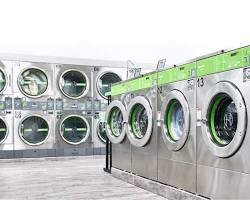
This guide provides a detailed breakdown of the laundry business setup cost Malaysia, supported by industry benchmarks, factual insights, and practical investment considerations based on real market conditions.
1. Why the Laundry Industry in Malaysia is Growing
The laundry industry in Malaysia continues to expand steadily due to strong and consistent demand from urban populations. According to World Bank data, Malaysia’s urbanisation rate has exceeded 78%, which significantly contributes to increased demand for outsourced household services such as laundry.
Several key factors are driving this growth:
- Increasing number of dual-income households with limited time for household chores
- Expansion of residential condominiums and serviced apartments
- Growing student populations in major urban centres such as Kuala Lumpur, Selangor, Johor Bahru, and Penang
- Rising acceptance of self-service laundromats as a modern convenience solution
Industry performance also reflects this demand. Self-service laundromats in Malaysia typically generate monthly revenues ranging from RM5,000 to RM15,000 per outlet, depending on location, machine efficiency, and customer traffic. Full-service laundry businesses can generate between RM10,000 and RM30,000 per month in revenue, especially when offering additional services such as ironing, pickup, and delivery.
This steady demand makes the laundry industry one of the more resilient small business sectors in Malaysia.
2. Breakdown of Laundry Business Setup Costs in Malaysia
Understanding the capital structure is essential before launching a laundry business. The total investment depends on business size, location, and level of automation.
A typical laundromat setup cost includes several major components:
Laundry Machines
This is the largest cost component. Commercial washers and dryers vary depending on capacity, brand, and energy efficiency. A basic setup for a small to medium outlet typically requires multiple stacked units or industrial-grade machines. The cost ranges between RM35,000 and RM105,000.
Renovation and Interior Setup
This includes flooring, plumbing, electrical wiring, ventilation, signage, and interior design. Since laundry machines require heavy-duty water and electricity connections, proper renovation is critical. Costs usually range from RM30,000 to RM80,000.
Rental Deposit
Rental costs vary significantly depending on location. High-traffic urban areas require higher deposits, typically between RM6,000 and RM20,000, depending on lease terms.
Licensing and Permits
Business registration, local council approvals, signage permits, and other regulatory requirements usually cost between RM1,000 and RM5,000.
Utility Setup
Water and electricity infrastructure setup is essential for laundromats, especially if upgrades are required to support high-power machines. Estimated cost ranges from RM10,000 to RM25,000.
POS and Automation Systems
Modern laundromats often use automated payment systems, card readers, or mobile app integration to reduce manpower dependency. These systems cost between RM3,000 and RM10,000.
Overall, industry benchmarks indicate that the total laundry business setup cost Malaysia typically ranges from RM150,000 to RM500,000 or more, depending on scale, location, and service model.
3. Monthly Operating Costs You Must Plan For
Beyond initial setup costs, ongoing operational expenses significantly impact profitability. Many new investors underestimate these recurring costs, which can affect cash flow in the first year.
The main monthly expenses include:
Utilities
Water and electricity are the highest recurring costs in the laundry industry. Monthly utility expenses typically range from RM1,000 to RM5,000 depending on machine usage and customer volume.
Staff Salary
Self-service laundromats may require minimal staff, but full-service operations require attendants, cleaners, or drivers. Salary costs range from RM3,000 to RM8,000 per month.
Maintenance
Regular servicing of machines is essential to prevent breakdowns and ensure operational efficiency. Maintenance costs typically range from RM500 to RM2,000 monthly.
Consumables
This includes detergent, cleaning chemicals, packaging materials, and other supplies, costing around RM400 to RM1,200 per month.
Insurance and Compliance
Business insurance, equipment coverage, and compliance fees generally cost between RM300 and RM1,000 per month.
In many cases, utilities alone can account for 10% to 25% of total monthly revenue, making efficiency in machine usage and energy management an important factor in profitability.
4. ROI and Profit Expectations
A well-planned laundromat business in Malaysia can deliver stable and attractive returns when managed efficiently and located strategically.
Key financial indicators include:
- Net profit margin typically ranges between 15% and 30%
- Average payback period is approximately 2 to 4 years
- Higher returns are achievable in densely populated residential or student areas
For example, a typical laundromat scenario may look like this:
Monthly revenue: RM12,000
Monthly operating cost: RM8,000
Net profit: RM4,000
Profit margin: 33%
This demonstrates that while initial investment is significant, the business model offers consistent recurring income when properly executed.
5. Factors That Influence Setup Cost
The total investment required for a laundry business is not fixed and varies based on several key factors.
இடம்
Urban areas such as Kuala Lumpur and Petaling Jaya have higher rental and setup costs but offer stronger customer traffic. Suburban or smaller towns have lower costs but may generate slower returns.
Business Model
Self-service laundromats require lower operational staffing costs, while full-service laundry businesses involve higher manpower but potentially higher revenue streams.
Equipment Quality
Energy-efficient machines may require higher upfront investment but significantly reduce long-term electricity and water costs.
Service Expansion
Businesses that offer additional services such as wash-and-fold, express cleaning, and pickup and delivery services can increase monthly revenue by RM2,000 to RM10,000 per customer segment depending on market demand.
6. Common Mistakes New Investors Make
Many first-time investors face challenges due to avoidable mistakes such as:
- Underestimating utility and maintenance costs
- Selecting low-rent locations with poor customer traffic
- Failing to allocate sufficient working capital for the first 6 to 12 months
- Ignoring preventive maintenance for machines
- Overestimating early-stage revenue
Avoiding these mistakes is critical to achieving sustainable long-term profitability.
7. ATOS Laundry Expert Insight
Based on industry experience, successful laundromat operators in Malaysia typically focus on strategic execution rather than just initial investment size.
Key success factors include:
- Selecting high-density residential locations
- Investing in reliable, energy-efficient machines
- Implementing automated systems to reduce manpower dependency
- Tracking operational performance using data-driven tools
- Expanding services gradually to increase revenue streams
Understanding the true laundry business setup cost Malaysia goes beyond initial capital—it requires a complete understanding of operational sustainability and long-term scalability.
Conclusion
Starting a laundry business in Malaysia requires careful financial planning and a clear understanding of both startup and operational costs. The total investment typically ranges between RM150,000 and RM500,000 depending on business scale and model.
While the entry cost may appear significant, the industry offers stable demand, recurring revenue, and scalable growth opportunities. With proper planning and execution, a laundromat business can become a sustainable long-term investment in Malaysia’s growing service economy.


 தமிழ்
தமிழ்  English
  繁體中文
繁體中文  Bahasa Melayu