

Ever noticed how laundromats seem to pop up everywhere in Malaysia? Maybe you’ve stood in one, coins in hand, and wondered: are these shops cash cows or just another risky venture? If you’re curious about launching your own laundry business Malaysia, you probably want clear answers—not sales talk.
Starting a laundromat can look simple, but making it truly profitable is another story. Maybe you’re excited by the idea of steady, passive income. Or perhaps you’re worried about high startup costs, break-even timelines, and all that talk about fierce competition. Questions keep swirling: How much cash do you really need? What makes some laundry businesses thrive while others fizzle out?
Here’s the good news: You’re about to get straight-to-the-point insights into what actually makes a laundry business Malaysia successful. From capital and licenses to smart operations and customer service, you’ll see the hard numbers and practical steps. Plus, you’ll learn the pitfalls to avoid so your investment pays off in real life—not just on paper. Ready to see what it takes to clean up in the laundry business? Let’s dive in.
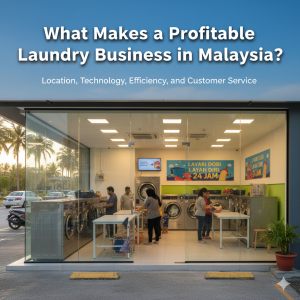
What It Really Costs to Start a Laundry Business in Malaysia
Let’s get honest about the numbers. Starting a laundry business in Malaysia isn’t cheap, but the range might surprise you. As we touched on earlier, those shiny “passive income” dreams need some major upfront cash to become real.
Capital Range: RM150,000–RM750,000 Across Models and Brands
For most coin laundries, you’re looking at an investment between RM150,000 and RM500,000 (Mr. Clean, June 2024). This covers the basics—machines, renovations, deposits—but can go much higher for premium brands or bigger outlets. For example, myDobi franchise packages run from RM500,000 up to RM750,000 as of 2024. Why such a big gap? It all depends on shop size, machine quantity, brand, and the kind of customer experience you want to offer.
Cost Breakdown: Machines, Renovation, Deposits, and Permits
Let’s break down where your money goes. Machines eat up a huge chunk. A minimal “mini shop” setup—two 10kg washers, two 10kg dryers—costs around RM35,000. A standard setup with mixed-size machines can top RM86,500 to RM105,500. The bigger your shop, the more you’ll spend; a single stacked 28kg washer and dryer pair is RM42,000 alone.
Renovations often reach RM40,000 for basic work like wiring, plumbing, ventilation, and safety features, plus another RM15,000 if you need a gas room. Licenses (premise, signboard, gas) run another RM1,000 or so. Don’t forget deposits for rental—two to three months upfront, sometimes RM9,000 or more if your rent is around RM3,000/month.
Insurance is vital too. Expect at least RM1,500 per year to cover fire or machine risks. Add on furniture, detergent, and extras like coin changers and dosing pumps, which easily total a few more thousand ringgit.
Financing Options and Importance of Cash Flow Management
Most owners use some mix of cash-on-hand and business loans. Articles stress not to underfund yourself. Cash flow in those first few months is tight while you wait for steady customers. Financing (like bank or SME loans) helps, but you’ll need a solid plan to manage repayments and stay liquid. If you stretch too thin, surprise repair bills or slow periods can hurt.
Honestly, the initial cost might seem like a mountain. But the right investment is the base for a reliable, long-term laundry business. Next, we’ll walk through the key setup steps and legal must-haves you’ll face once your capital is ready.
Key Steps and Legal Essentials for Setting Up a Laundromat
Building on the startup costs we just covered, let’s get into the real nuts and bolts of setting up your laundromat. Honestly, the right legal moves and business setup can save you tons of stress and money down the road. You’ll want to make the right choices from the start, especially since issues with licenses or business structure can halt your profits fast.
Choosing a Business Entity: Sole Proprietorship, Sdn Bhd, Franchise
First, let’s talk about your business entity options. You can set up as a sole proprietorship, Sdn Bhd (which is like an LLC), or join a franchise. If you’re looking for simplicity and the lowest upfront cost, a sole proprietorship is just RM30–RM100 to register in Malaysia (Mr. Clean, June 2024). But it offers the least protection—you’re personally liable for everything.
Now, a Sdn Bhd (Sendirian Berhad) takes RM1,000 or more to incorporate. The benefit? Your personal assets are protected if the business is sued or runs into debt. This legal separation is a big deal if you plan to expand or take business loans.
Licenses: Signboard, Gas, Premise, and Health Permits Costs
Let’s move on to the must-have paperwork. Every laundromat in Malaysia needs several licenses before you open your doors. Start with a signboard and premise license from your local authority (like DBKL or MBPJ). This costs about RM600 each year, and you must renew annually.
You’ll also need a gas license from Suruhanjaya Tenaga if you use gas dryers. The fee is RM200 for the license. Every two years, you must perform a gas pressure safety test, which adds about RM1,800. Don’t forget: operating without these could get you fined or even shut down.
Some areas also want a health permit, especially if you have vending machines or customer seating. Always check with your city council, as rules can differ.
Insurance and Safety: Premiums for Business Protection
Once you’ve sorted licenses, you can’t ignore insurance. After investing so much in machines and renovations, you need coverage. The average laundromat insurance premium clocks in at about RM1,500 per year, depending on location and your coverage amount (Mr. Clean).
Basic policies should cover fires and machine damage—two of the biggest risks in any laundry shop. Some landlords even require proof before letting you move in. If you join a franchise, insurance might be bundled into your package or guided by the franchisor.
Safety also goes beyond insurance. Build in proper wiring, fire extinguishers, clear exits, and CCTV. Many renovation budgets (often RM40,000 or more) include electrical safety and emergency equipment. It’s not just legal; it reassures customers and can prevent costly incidents.
Business Registration and Tax Documentation
Finally, registering your business and sorting tax matters is vital. For sole proprietors and partnerships, you register with SSM (Companies Commission of Malaysia). Sdn Bhd companies need extra paperwork, but it’s worth it if you want to limit your risk or have partners.
You also have to register for a business bank account—and possibly an Employee Identification Number (EIN) or equivalent for tax filing, depending on your setup. Having neat, separate records will help not just for taxes, but for securing financing or dealing with future joint ventures.
If you skip proper tax documentation, you’ll face fines—a headache every laundromat owner wants to avoid. Many laundromat articles highlight using accounting software or hiring a part-time accountant once you’re up and running.
With your structure, licenses, and legal protections locked in, you’re set up for smoother day-to-day operations. Up next, we’ll explore how your location and market choices directly affect your profits—because even the most well-registered shop can struggle if it’s in the wrong place.
Location, Market Analysis, and Customer Targeting Strategies
Now that you’ve set up your business legally and handled the paperwork, let’s talk about location and customers. Honestly, even with the best machines and permits, you’ll struggle if you pick the wrong spot or aim at the wrong crowd. Your profits rise and fall with these choices.
Importance of Strategic Location: Near Apartments, Campuses, and High Traffic Zones
First, let’s be real—location is almost everything for a laundry business. The articles agree you want high foot traffic, not just any cheap shop lot. Look for areas packed with apartments or university campuses. You know, places where people probably don’t have washing machines at home or share small flats with roommates (Atos Laundry, LaundryBar, Wash Studio).
Think about it: a laundromat near a university offers endless loads from students. Setting up across the street from big rental complexes catches working adults and families, especially those who are too busy or don’t own machines. The Wash Studio article stresses that your location “decides the type of customer you will be serving.” Don’t rush—spend real time studying the area’s traffic, daytime versus nighttime activity, and the safety of the neighborhood.
Being visible helps too. A shop that’s easy to find and close to main roads or bus stops gets noticed. If your laundromat is hidden at the back of a quiet row, you’ll lose out to the competition even if your machines are brand new.
Demographics: Students, Working Professionals, Families
Building on that, you need to know who will actually use your shop. The best laundromats in Malaysia aren’t targeting everyone; they focus in. According to multiple sources, your core customers include:
- Students: They need quick, affordable washing, and often bring big bags home at semester breaks.
- Working professionals: These folks are busy, live in apartments, and value speed and convenience.
- Families: Larger families, especially those in modest apartments, might weekly use your machines for bigger loads.
LaundryBar’s guide and Atos Laundry both highlight that “apartment dwellers with limited access to washing machines, students, and busy families” are your bread and butter. Plus, as Wash Studio mentions, plenty of customers pick laundromats to “have a more comfortable and easier lifestyle” because they lack disposable income for a new machine.
Creating a comfortable, safe environment matters here. If your area gets sketchy after dark, you’ll scare away families and female customers. Add bright lights, security cameras, and simple signage so parents feel fine letting teenagers come on their own.
Assessing Competition and Avoiding Oversaturation
Here’s something people don’t mention enough: too many laundromats nearby will kill your profits. As Mr. Clean warns, “fierce competition” is common, with several shops on one block fighting on price. Customers usually pick by location and cost, not machine brand. If there’s already a big-name laundromat on the corner, think twice before setting up right next door unless you offer something unique—like 24/7 service, a drop-off fold option, or free Wi-Fi.
LaundryBar’s advice is blunt: research not just who’s around, but what they offer. Visit the nearest laundromats, see how busy they are during peak hours, and notice their pricing or any special promos. Are their machines full most of the day? That’s a good sign of strong demand—though you’ll need a way to stand out. On the flip side, if every shop sits empty, there may be too many already.
Oversaturation doesn’t just waste your capital; it can force you into a price war and shrink your returns. The best bet is to find a spot with clear demand and low direct competition, or at least offer a bundle of services and perks your rivals don’t.
Advertising and Promotion Tactics for Customer Attraction
Once you’ve nailed your spot and targeted customers, you need to get the word out. Digital marketing is powerful in Malaysia, with thousands searching for “laundry near me” (Atos Laundry). Social media posts highlighting your shop’s comfort, cleanliness, and special deals can attract students and young professionals especially.
Effective tactics pulled from the articles? Offer launch discounts, first-time user promos, or bundle deals for big loads. Loyalty cards and “wash X times, get one free” promos keep regulars coming back. Make your rates, opening hours, and unique services crystal clear on flyers, your storefront, and, honestly, everywhere online. Don’t ignore Google Business or local WhatsApp groups for word of mouth.
Lastly, as Wash Studio suggests, highlight your shop’s safety and convenience. Photos of a bright, tidy laundromat and details on CCTV or 24/7 access reassure customers. You’d be surprised how much something simple, like “Free high-speed Wi-Fi while you wait,” can win hearts—and regulars.
Understanding who you serve and where sets up the rest of your business choices. Next, we’ll get into how smart operations and tech help you squeeze even more profit from your shop—without ever sacrificing the customer experience.
Operational Excellence and Technology for Profitability
Coming off our deep dive into location and customer strategies, let’s talk about what really drives profit day to day—how you actually run the shop. The machines you pick, the vibe of your shop, the tech you use, and those small income boosters all make a difference. If you want to beat the competition and avoid the “race to the bottom” on price, you need an efficient, inviting business that feels modern and reliable.
Facility Design: Comfort, Safety, and User Experience
Building on earlier points about attracting your target customer, your shop’s environment is part of your brand. As Wash Studio and Atos Laundry emphasize, Malaysians pick laundromats where they feel safe and comfortable. Think about this: would you send your teenager to an unlit, cramped space at night? Probably not.
Good design means clear signage, ample lighting, seating, and even Wi-Fi. For families and female customers, security systems like cameras and alarmed exits add peace of mind. These touches pay off. Cleanliness and comfort keep people coming back, especially working professionals and families with kids.
Some shops go further, adding lounge areas or vending machines—you get happier, lingering customers who may spend more on snacks, drinks, or detergent.
Automating Processes: Payments, Maintenance, and Attendant Services
You’ve heard it before: laundry shops can almost run themselves. The real secret? Automation. Modern systems, use digital payment kiosks, apps like Hiro App, and automated coin/token changers. You save on hiring full-time staff, and customers get more flexibility—no need to worry about exact change or who’s on duty.
Lets customers pay with their phones and notifies you when machines need service. Routine maintenance alerts and simple troubleshooting channels (like WhatsApp hotlines) keep downtime low. And during busy hours, a part-time attendant can handle customer questions or quick fixes, just as Atos Laundry recommends. Lean operations, faster problem resolution, and easy digital monitoring keep you profitable without being chained to the shop.
Risks, Challenges, and Long-term Profitability Factors
You’ve now seen how smart operations and tech can boost your everyday profits. But let’s get real: running a laundry business in Malaysia brings its own hurdles. Keeping things running smoothly—while making steady money for years—isn’t always simple. Here’s what you should watch out for and how winners in this market stay ahead.
Competition Dynamics and Brand Loyalty Challenges
Competition is fierce. As we discussed in the market analysis section, it’s common to see several laundromats on the same city block. Mr. Clean calls it a “race to the bottom on price.” Most customers pick shops based on location, convenience, and how much it costs per load—not the brand of machine or your logo. That’s rough if you’re hoping for easy, automatic loyalty.
Honestly, many owners mistakenly rely on fancy branding or extras, only to realize that low price or 24/7 access often matters more. Case in point: articles point out that, unlike restaurants or retail, laundromat customers don’t come for the brand—they come for working machines and quick service. Your real value is about reliability and convenience, not just slick marketing.
Your best defense? Focus on rock-solid operations, unique convenience touches (like early openings or digital payment options), and simple loyalty perks. If you try to outspend rivals on billboards or renovations alone, you’ll probably burn through cash too quickly.
Managing Machine Wear, Repairs, and Technical Support
Building on the operational excellence points from before, machines are truly the beating heart of your shop—and also your biggest source of headaches. High usage means more frequent breakdowns and a constant need for servicing. The articles are blunt: “Spend a large amount of repair cost on the machine,” warns Mr. Clean.
Customers sometimes overload washers or misuse dryers, causing breakdowns. And no matter how careful you or your customers are, parts just wear out—belts, pumps, and electronics are all on borrowed time. You need to set aside ongoing funds and find reliable, fast-response service partners.
If you’re not in a franchise, make friends with a trusted local technician early. Having a WhatsApp hotline, as Atos Laundry suggests, can help you respond quickly to customer complaints or issues that pop up after hours. And seriously—don’t skimp on preventive maintenance. Fixing things before they break keeps you off those dreaded “Out of Order” signs, which customers hate.
Frequently Asked Questions
Can you start a laundry business in Malaysia with less than RM150,000?
Starting with less than RM150,000 is quite challenging since even a basic set-up requires significant investment in machines, renovations, and permits. Some owners try to save by buying used equipment, but this can lead to higher maintenance costs later. Planning for at least RM150,000 helps cover all necessary startup needs and avoid cash flow issues early on.
Can you run a laundromat without staff on site?
Yes, most self-service laundromats in Malaysia operate with minimal or no staff by using coin or digital payment machines and remote monitoring systems. However, having part-time help during peak hours or cleaning shifts is common. Owners often use WhatsApp helplines for customer support and quick responses to machine issues.
Can you increase profits beyond just washing and drying services?
Definitely! Many successful laundromats in Malaysia boost their earnings by selling detergent, snacks, drinks, or laundry bags through vending machines. Some also offer wash-and-fold services for an extra fee. Integrating digital payment apps like Hiro App makes it easier for regular customers to reload credit and benefit from promotions.
Can you avoid direct competition with other nearby laundromats?
It’s hard to find a totally competition-free area, but you can choose a location with clear demand and offer unique touches—like 24/7 hours, family-friendly design, or loyalty programs. Be sure to research foot traffic, check how busy local rivals are, and offer something extra to win regular customers.
Can you recover your investment quickly in the laundry business?
Return on investment varies, but well-run laundromats in Malaysia often see returns of 20–35%, with many breaking even within three years. Choosing reliable machines and keeping up with maintenance helps avoid big losses from repairs. Good location and consistent service are the biggest factors in recouping your investment fast.
Can you get support if you are new to running a business?
Yes, many franchises like myDobi and LaundryBar offer training, marketing help, and technical support as part of their package. This is helpful for first-timers who want guidance on setup, operations, and customer management. Starting with a franchise can make the learning curve smoother and boost your chances of long-term success.


 English
  繁體中文
繁體中文  Bahasa Melayu
  தமிழ்
தமிழ்